Rigorous Quality Control • Sialkot Production Facility
Engineering Precision into Every Seam, Stitch & Silhouette.
At Rastify Gears, quality assurance is an active manufacturing discipline integrated across all 10 production stages. From raw yarn tensile inspection and fabric shrinkage testing to computerized laser cutting alignment, stitch density checks, and final 4-point garment auditing.
Interactive Quality Protocol
Six Verified Checkpoints Protecting Your Garment Quality.
Select an inspection checkpoint below to explore the specific technical parameters, testing tolerances, and physical verification methods applied by our quality team in Sialkot.
Raw Fabric, Yarn & GSM Weight Inspection
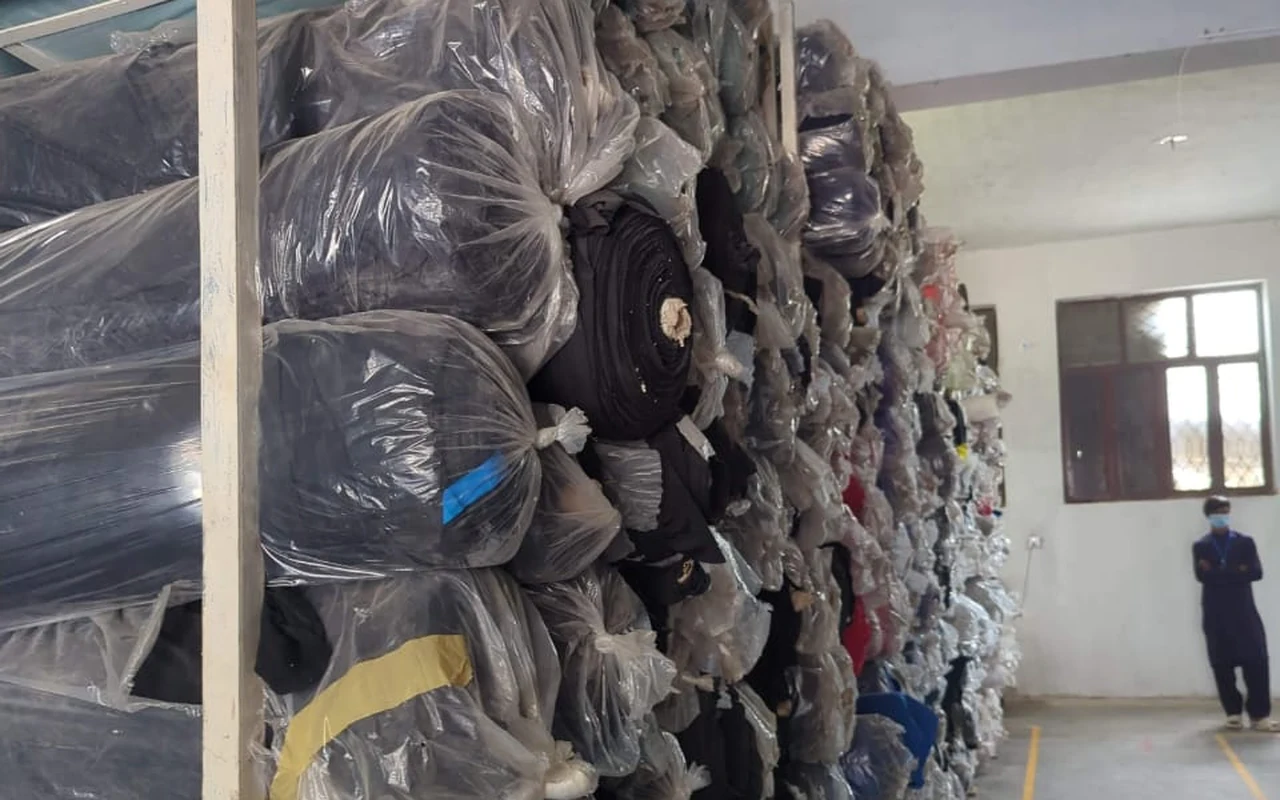
Every roll of fabric received at our facility undergoes a standardized 4-point inspection system before it is released to the spreading tables.
Audited Quality Criteria:
- GSM Verification: Circular sample cutter and precision digital balance test across left, center, and right of the fabric roll (±3% tolerance).
- Pre-Shrinkage Testing: 40°C laboratory wash testing to determine warp/weft shrinkage percentages and stabilize knit dimensions.
- Colorfastness Check: Dry and wet Crockmeter rubbing tests to guarantee zero dye bleed or crocking against white contrast fabrics.
- Surface Defect Scoring: Inspection for yarn slubs, misweaves, color streaks, and needle holes under standardized daylight illumination.
Digital CAD Grading & Prototype Signoff
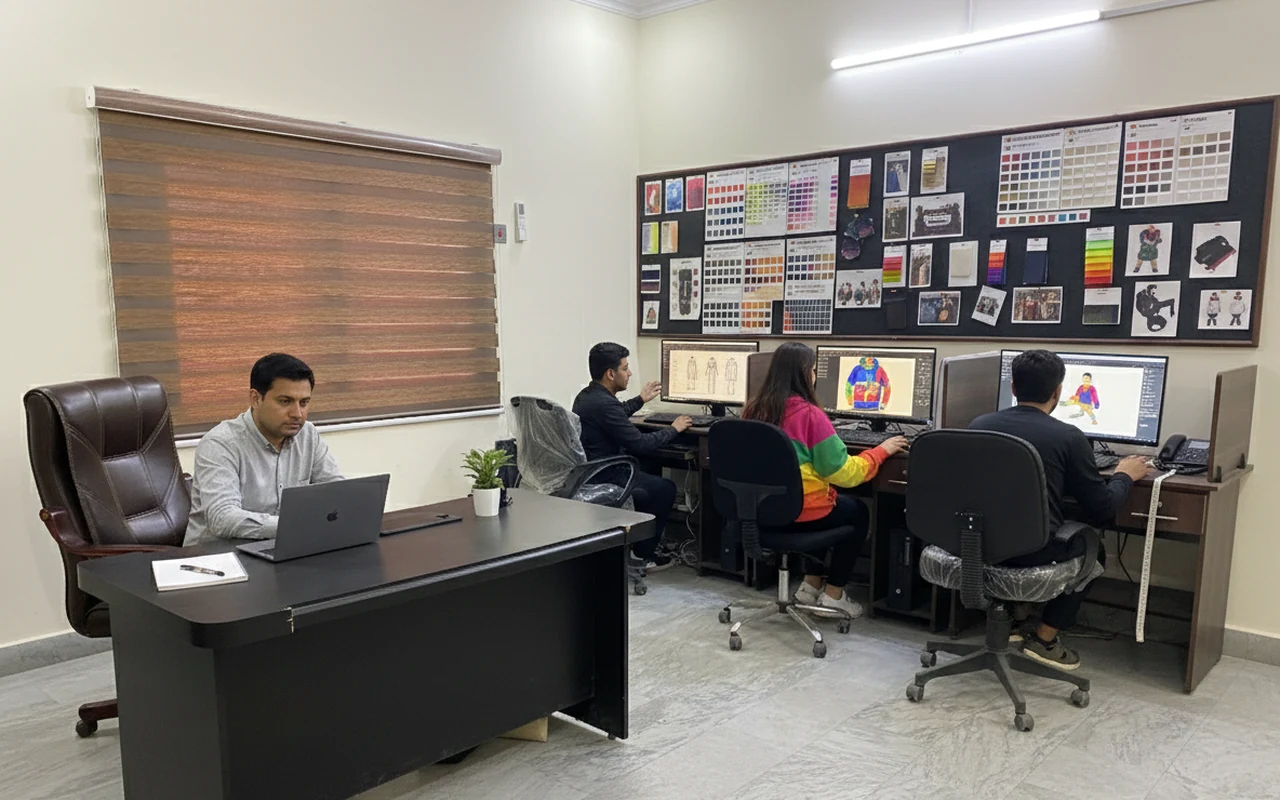
Before volume cutting commences, digital tech pack patterns are calibrated with custom shrinkage formulas to ensure perfect fit across every size.
Audited Quality Criteria:
- CAD Proportional Grading: Size grading formulas tested from XS through 3XL+ to maintain intended silhouette drape.
- Physical Fit Sample: Assembly of physical pre-production sample in target fabric for client review and dimensional check.
- Seam Allowance Verification: Notch alignment, neckline curves, and armhole circumferences checked on 3D dress forms.
- Trim & Hardware Compatibility: Fit testing with exact custom drawstrings, metal aglets, zippers, and interior neck tapes.
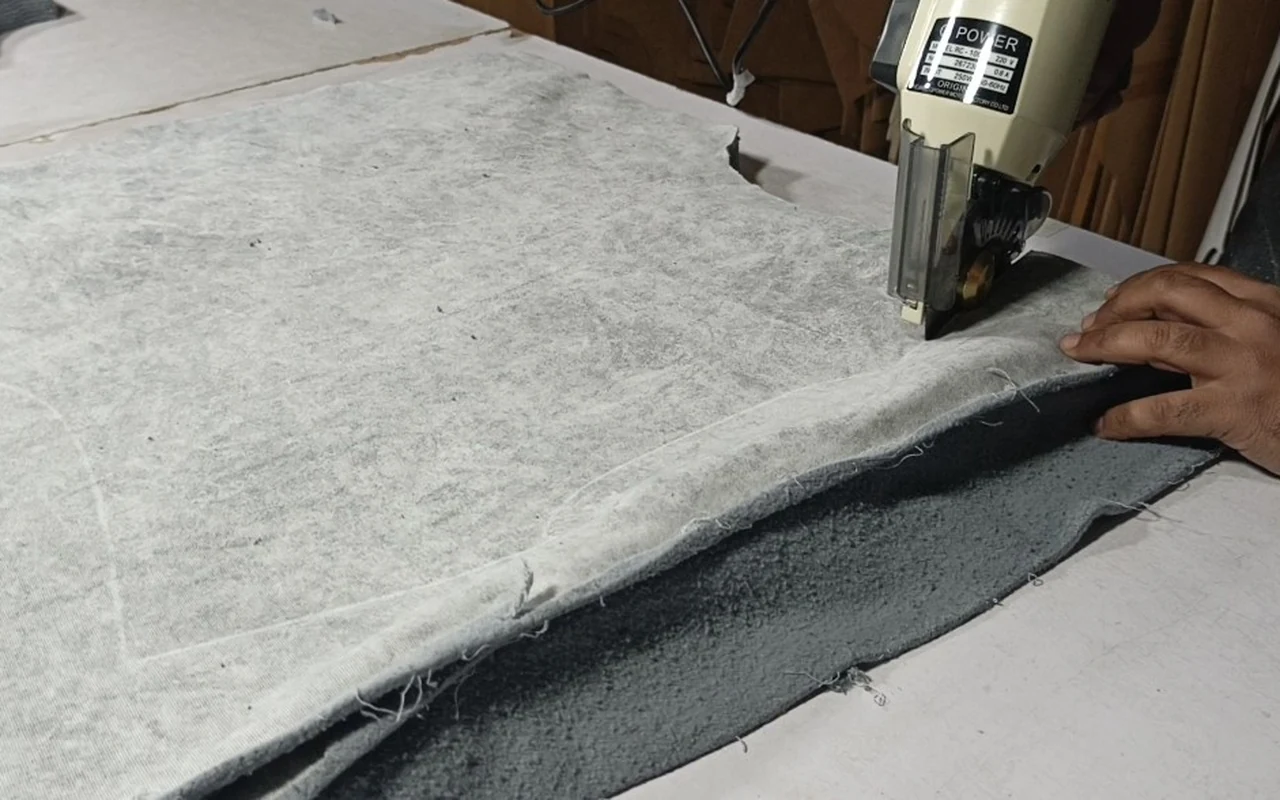
Laser Cutting & Grain Line Alignment
Fabric tension is fully relaxed prior to cutting. Computer-guided straight knife and laser cutting eliminate dimensional distortion.
Audited Quality Criteria:
- Fabric Relaxation Resting: Knit fabrics rest unrolled for 12–24 hours to relieve internal rolling tension before layering.
- Grain Line Stability: Strict grain line orientation alignment to ensure completed t-shirts and hoodies never twist or torque after laundry.
- ±1mm Perimeter Accuracy: Clean, crisp panel edges with zero fraying, ragged edges, or burning.
- Sequential Bundle Numbering: All cut pieces are bundled with batch tags to prevent shade variations within individual garments.
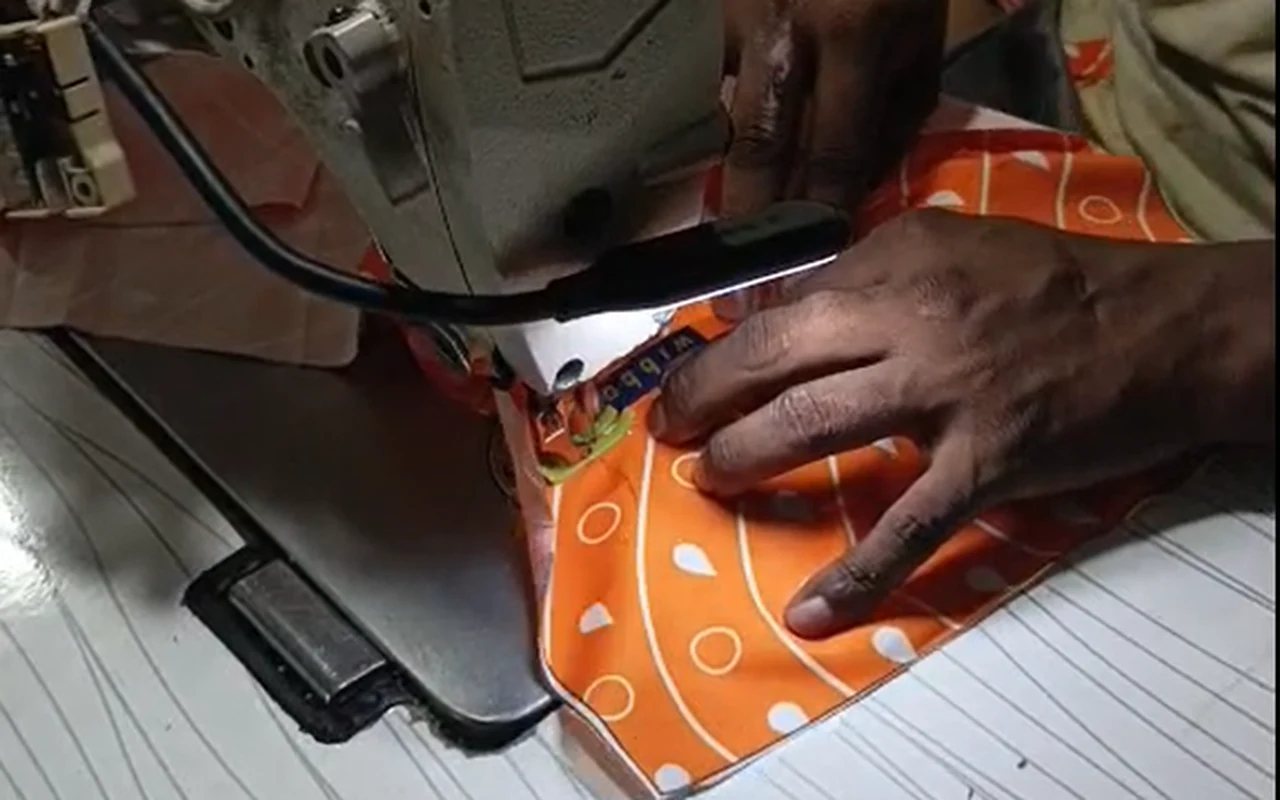
In-Line Stitching & Seam Strength Auditing
Dedicated roaming quality inspectors audit sewing lines in real-time, validating stitch tension, needle count, and critical stress-point reinforcement.
Audited Quality Criteria:
- Stitch Density Calibrated (10–12 SPI): Consistent stitches per inch preventing loose loops, skip stitches, or needle hole perforations.
- 4-Thread Overlock & Flatlock Strength: High-tensile elasticity tested under cross-directional pull force on knit side seams and crotches.
- Bar-Tack Structural Reinforcement: Heavy-duty bar-tacks at kangaroo pocket corners, hoodie eyelets, and split hems.
- Differential Feed Synchronization: Guaranteed flat, ripple-free seams on elastane-blend and rib-knit trims.
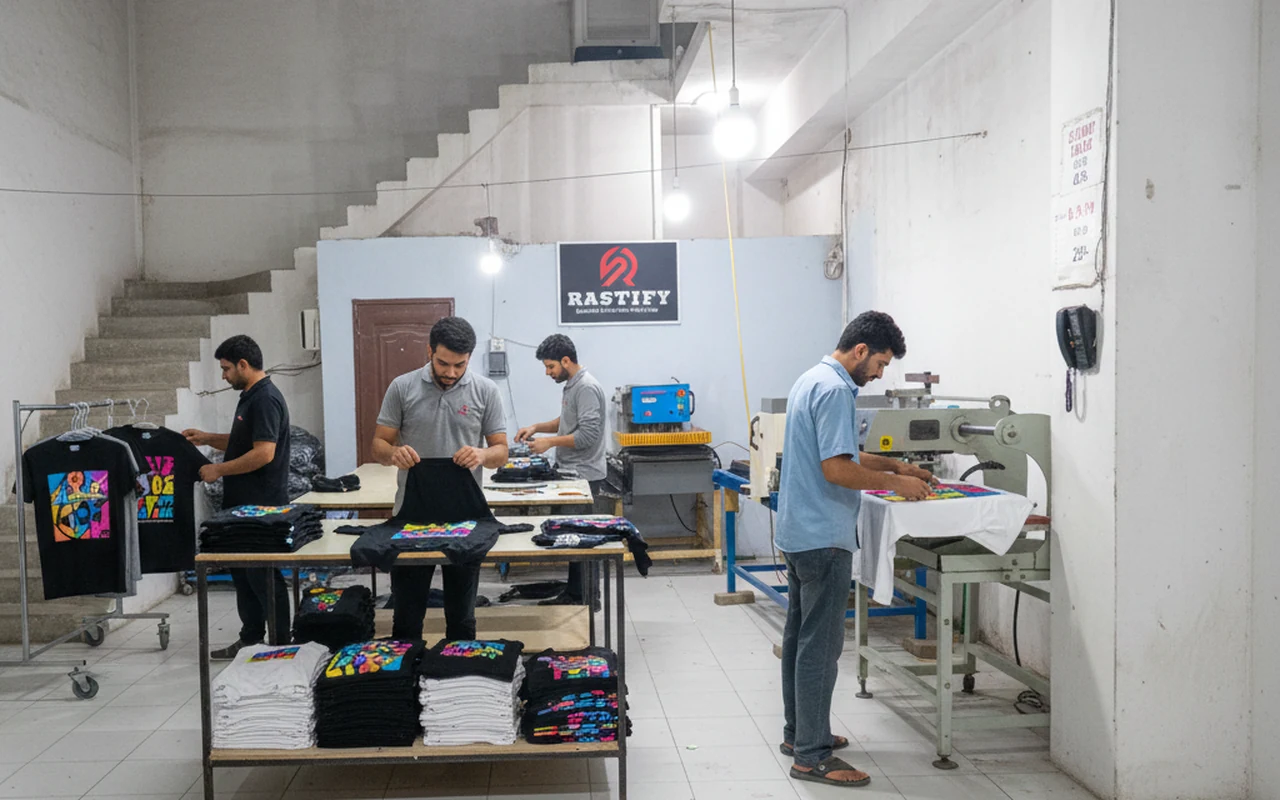
Print Curing & Embroidery Durability Checks
Printed and embroidered panels are subjected to heat-cure validation and manual stretch tests to ensure long-term durability across repeated washings.
Audited Quality Criteria:
- Conveyor Tunnel Temperature Curing: Infrared probe temperature monitoring (160°C–180°C) to ensure full plastisol and puff ink polymerization.
- Stretch & Elasticity Crack Test: Manual stretch to 150% extension: zero micro-fissuring, surface cracking, or peeling allowed.
- Embroidery Thread Tension Balance: 100% colorfast polyester thread with calibrated bobbin tension to eliminate puckering on thin knits.
- Clean Tear-Away Backing Removal: Interiors cleaned thoroughly with soft backing residues to prevent skin irritation.
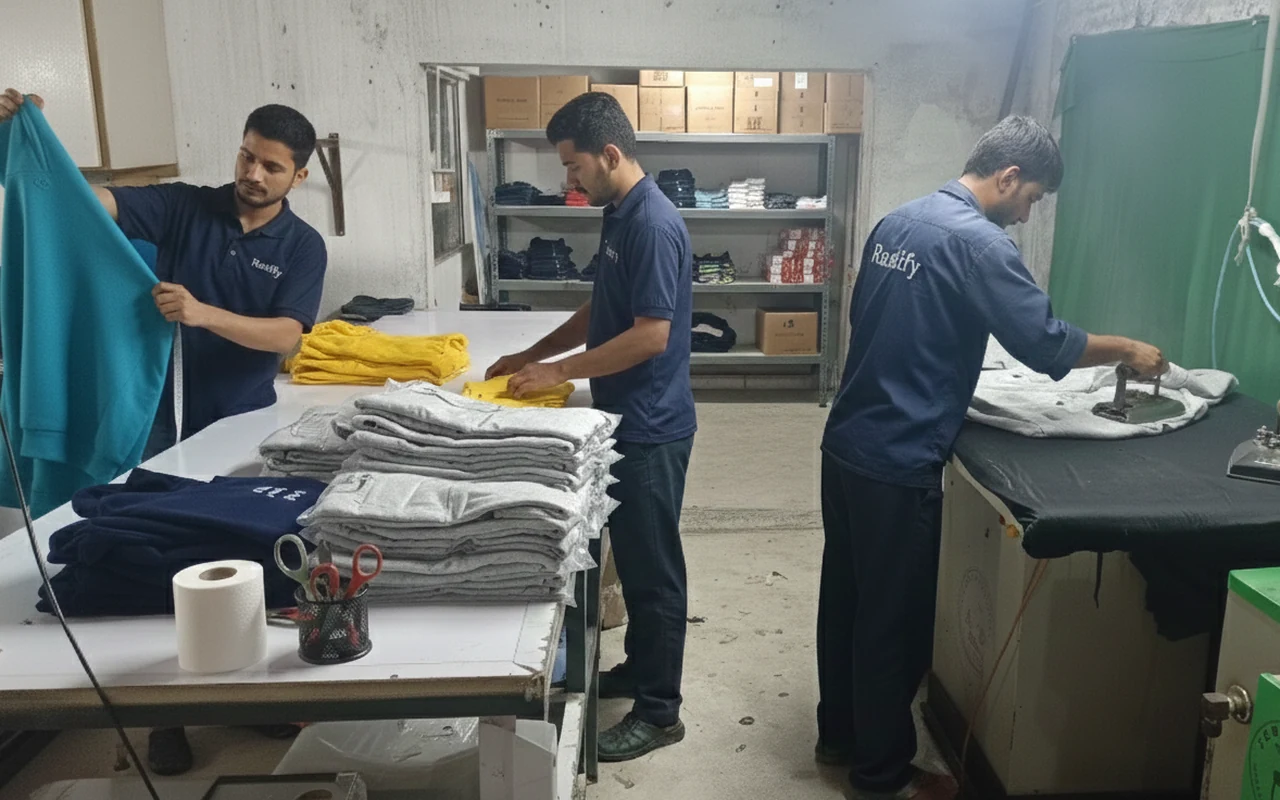
100% Garment Measurement & Pack Audit
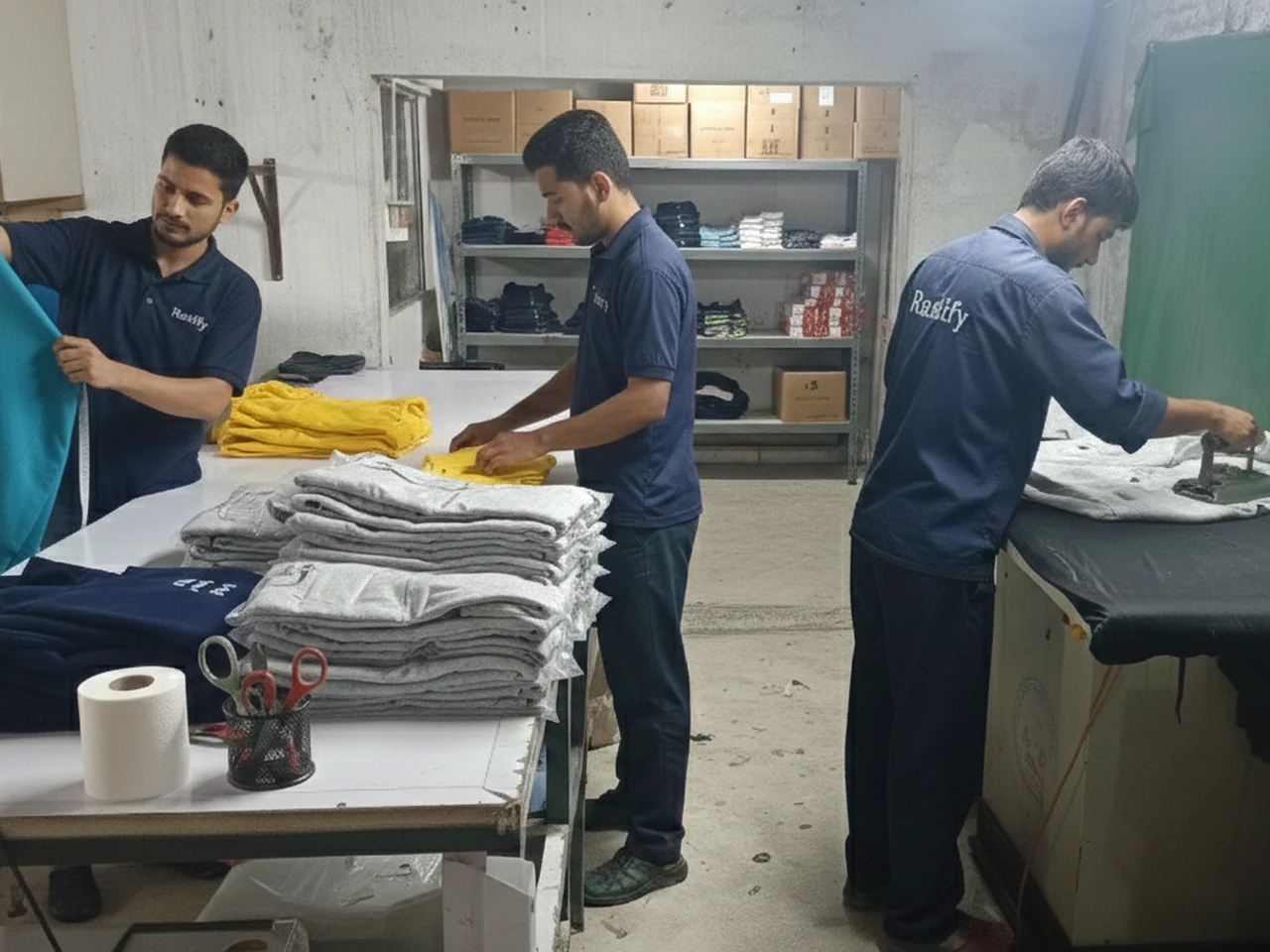
Every single finished garment is individually placed on illuminated inspection tables for full dimensional measurement and thorough physical cleanup.
Audited Quality Criteria:
- Full Dimensional Spec Audit: Chest width, body length, sleeve length, bicep, neck opening, and bottom sweep measured against tech pack spec sheet (±0.5 cm tolerance).
- Precision Thread Trimming: Removal of all loose threads and lint before high-pressure vacuum steam ironing.
- Magnetic Needle Screening: 100% metal detector sweep to ensure zero broken needle fragments remain in any garment.
- Export Packaging Standard: Individually bagged in branded or clear polybags with silica gel, neatly packed in heavy-duty 5-ply corrugated export cartons.
Visible Craftsmanship
Macro Focus: The Anatomy of a High-Spec Garment.
Quality in custom apparel is not an abstract promise—it is physically visible in clean internal seam bindings, crisp embroidery relief, resilient collar ribbing, and defect-free fabric surfaces.
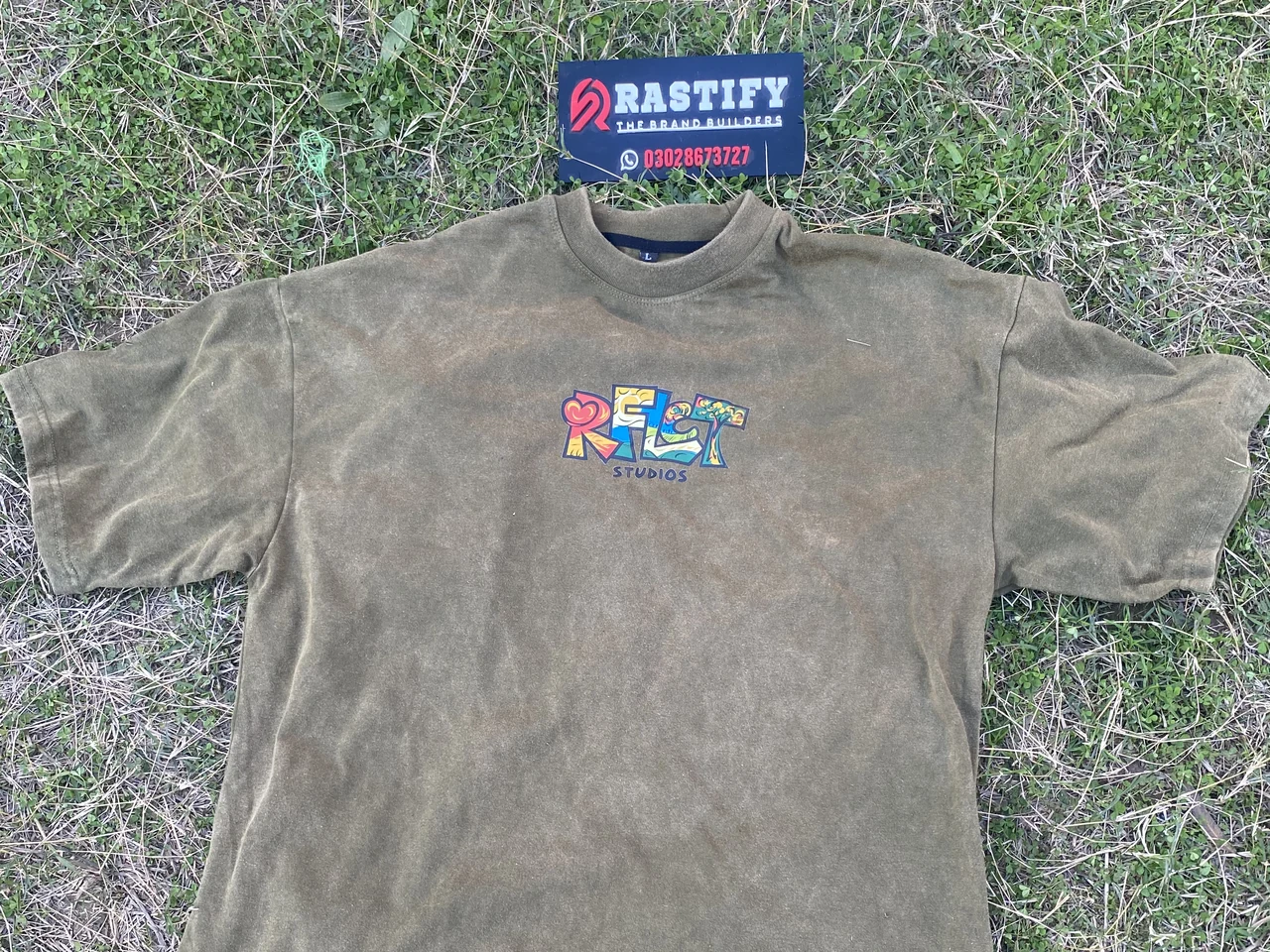
High-Density 3D Puff & Chenille
High stitch density, 3D foam underlay, crisp perimeter beveling, and 100% colorfast polyester threads that withstand industrial washing.
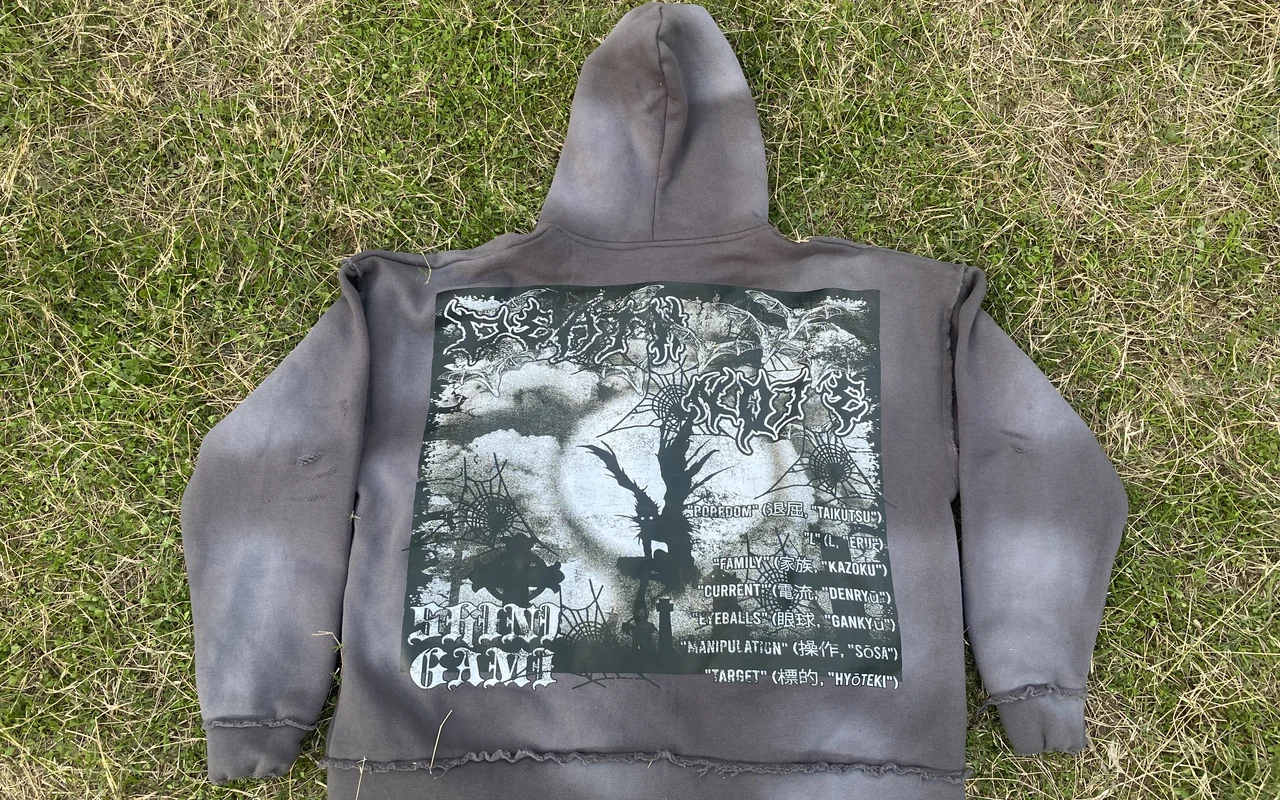
Screen & Puff Print Elasticity
Infrared-cured plastisol and water-based inks with balanced stretch elasticity, guaranteeing zero surface cracking or peeling under tension.
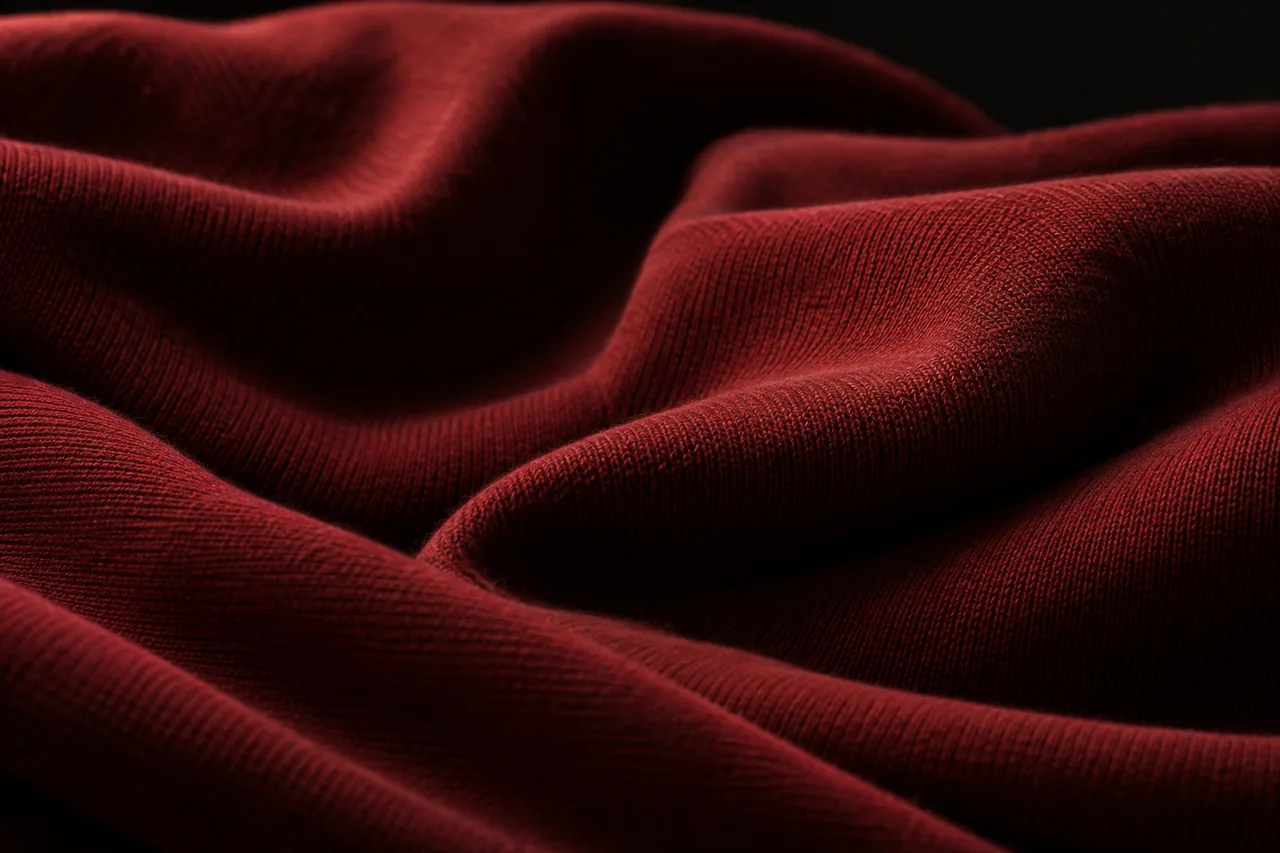
Knit Density & Fiber Hand-Feel
Custom yarn engineering from 160 to 500+ GSM. Uniform loopback structure, brushed fleece softness, and anti-pilling compact cotton yarns.
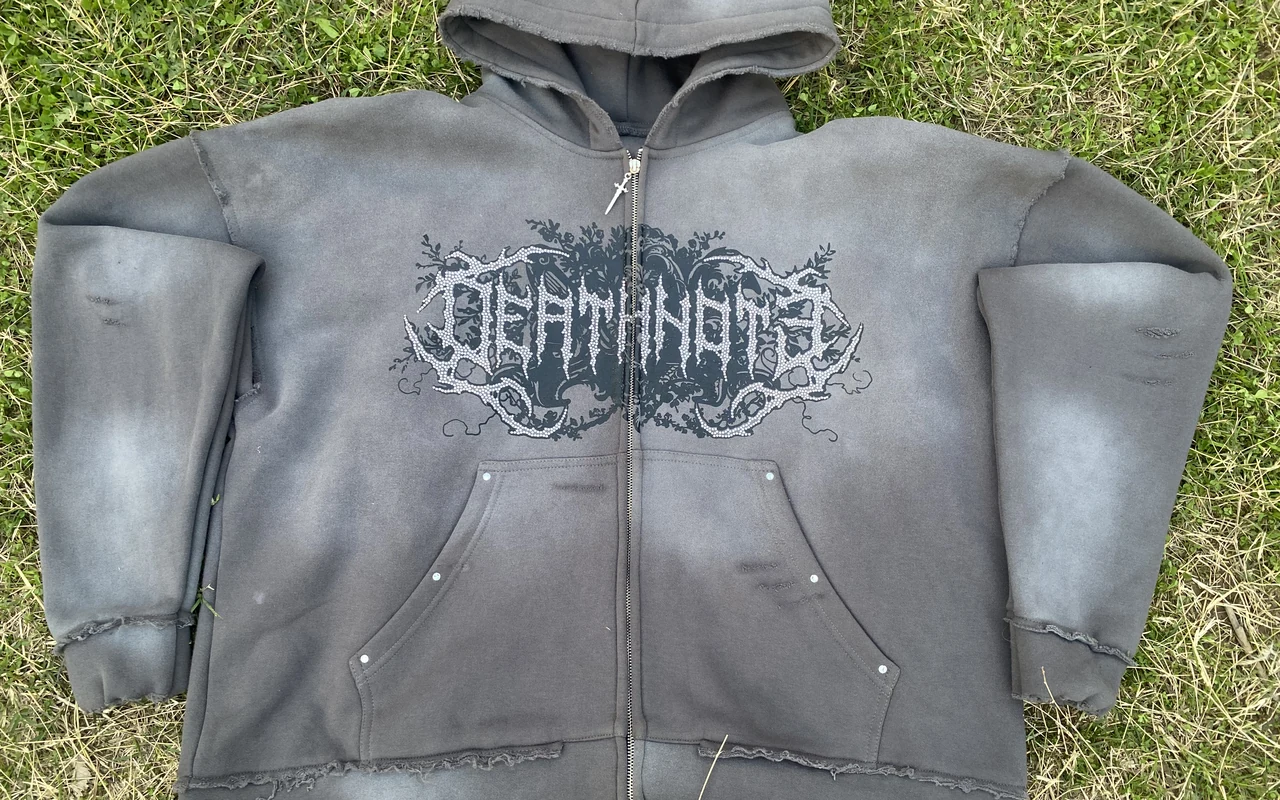
Reinforced Seams & Heavy Ribbing
4-thread overlock seam integrity with double-needle topstitching. High-recovery elastane blend collar and cuffs that resist baconing.
Engineering Benchmarks
Quality Tolerances & Testing Standards Matrix.
We hold every production batch to rigorous dimensional, chemical, and physical tolerance standards.
| Testing Parameter | Standard / Benchmark | Acceptance Tolerance | Inspection Timing |
|---|---|---|---|
| Garment Sizing & Dimensions | Tech Pack Spec Sheet Comparison | ±0.5 cm | 100% Pre-Packing Audit |
| Fabric Weight & Density | Circular GSM Cutter & Digital Scale | ±3% Target GSM | Raw Fabric Acceptance |
| Wash Shrinkage Stability | 40°C Standard Wash Cycle & Dry | < 3–4% Warp & Weft | Pre-Production Lab Test |
| Colorfastness (Wash & Rub) | Crockmeter & Dye Bleed Test | Grade 4.0+ Fastness | Post-Dyeing Lab Dip Signoff |
| Stitch Density (SPI) | Stitches Per Inch Counter | 10–12 SPI Calibrated | Continuous In-Line Sewing Audit |
| Print Curing & Elasticity | 150% Manual Stretch & Wash Test | Zero Cracking / Peeling | Post-Cure Inspection Floor |
| Metal / Broken Needle Check | Magnetic Needle Detector Sweep | 100% Zero Metal | Final Packaging Line |
Third-Party Audits & Transparency
Independent Inspection Agencies Are Always Welcome.
We maintain full transparency across all manufacturing and finishing departments. International brands are welcome to commission certified third-party inspection agencies (such as SGS, Intertek, QIMA, or independent Sialkot-based QC representatives) to conduct pre-shipment AQL inspections on our floor before cartons are sealed.
For every completed batch, our production team provides comprehensive high-resolution photo and video measurement logs to your brand managers before authorizing courier pickup or sea container loading.
Our Guarantee to Brand Founders
- Pre-Production Sample Approval: Bulk cut commences only after you physically approve the sample garment.
- Digital Inspection Reports: High-resolution photo and video spec checks shared prior to final dispatch.
- Direct Factory Accountability: You deal directly with the factory that built your garments, not an intermediary.
Quality Control FAQ
Frequently Asked Questions on Quality Standards.
Key details on how we prevent defects, handle tolerance specifications, and verify garment measurements.
What measurement tolerances do you maintain across bulk orders?
We adhere to a standard industry tolerance of ±0.5 cm (approximately 1/4 inch) for standard knitted apparel (hoodies, t-shirts, sweatpants) and ±0.3 cm for tailored garments. Every bulk run is measured against the approved pre-production spec sheet before polybag sealing.
How do you prevent garment shrinkage and color fading after washing?
All knitted fabrics undergo industrial pre-shrinking and heat-setting prior to cutting. We use high-grade reactive dyes with verified colorfastness ratings (Grade 4.0+) to ensure colors do not bleed or fade during standard 30°C–40°C home laundry cycles.
Can we send our own third-party quality inspector to your Sialkot factory?
Yes, absolutely. We welcome all accredited third-party inspection firms (such as SGS, Intertek, QIMA) as well as independent client quality representatives. We provide dedicated illuminated inspection tables and measurement tools for your inspector during pre-shipment audits.
What happens if a pre-production sample does not match our tech pack?
The purpose of pre-production sampling is to identify and resolve any fit, fabric, or placement adjustments before bulk cutting. If any parameter deviates from your tech pack, our pattern and sampling team revises the CAD file and produces a corrected sample until your specifications are 100% satisfied.
Audit Our Quality Standards in Person
Request a Physical Pre-Production Sample to Test Our Stitching & Fabric.
Feel the hand-feel of our custom GSM knits, inspect our 4-thread overlock seam integrity, and verify our print and embroidery precision firsthand before committing to volume production.